Restaurant loyalty is under pressure. According to Tillster’s 2026 customer preference research, roughly 45% of consumers say their favorite restaurant brand changed in the past year, up from 33% the year before. At the same time, fees are pushing guests to rethink how they order: 61% have abandoned a delivery order because of service fees, and about half have switched to pickup to avoid them.
For multi-unit restaurant groups, that adds up to one strategic question: who owns the relationship with your guest?
Guests say they want to order direct
When asked, most guests prefer to order straight from the restaurant. NCR Voyix’s 2025 consumer research found that 58% of customers prefer to order delivery through a restaurant’s own app or website, citing convenience (65%), easier customization (50%) and earning loyalty points (36%).
That preference matters financially. Third-party marketplaces typically charge restaurants commissions in the range of 20% to 30%, so every order that moves to a direct channel can meaningfully improve margins, and it comes with a guest you can recognize and reward.
But direct channels have to earn it
Preference alone doesn’t win orders. A secret-shopper study by Intouch Insight for Restaurant Business and Nation’s Restaurant News found guest satisfaction was nearly identical for direct orders (88%) and third-party orders (90%). Direct channels came out ahead on several measures:
- Faster delivery: about 30 minutes for direct orders versus over 35 minutes for third-party, where orders were batched far more often (19% vs. 4%).
- More customization: 97% of direct customers could customize their order, versus 90% on marketplaces.
- More personal touches: 25% of direct orders included one, versus 15%.
Marketplaces, meanwhile, out-promoted restaurants: 52% of third-party customers received a promotion, versus 32% of direct customers. The lesson is clear. Direct ordering wins on experience, but restaurants have to market it.
Loyalty is moving beyond points
Loyalty programs are the natural engine for direct ordering, but the playbook is changing. Paytronix’s 2026 loyalty report argues that points-only programs are largely obsolete for restaurant chains. The programs that perform combine points with tiers, experiences and AI-driven personalization.
Two findings stand out:
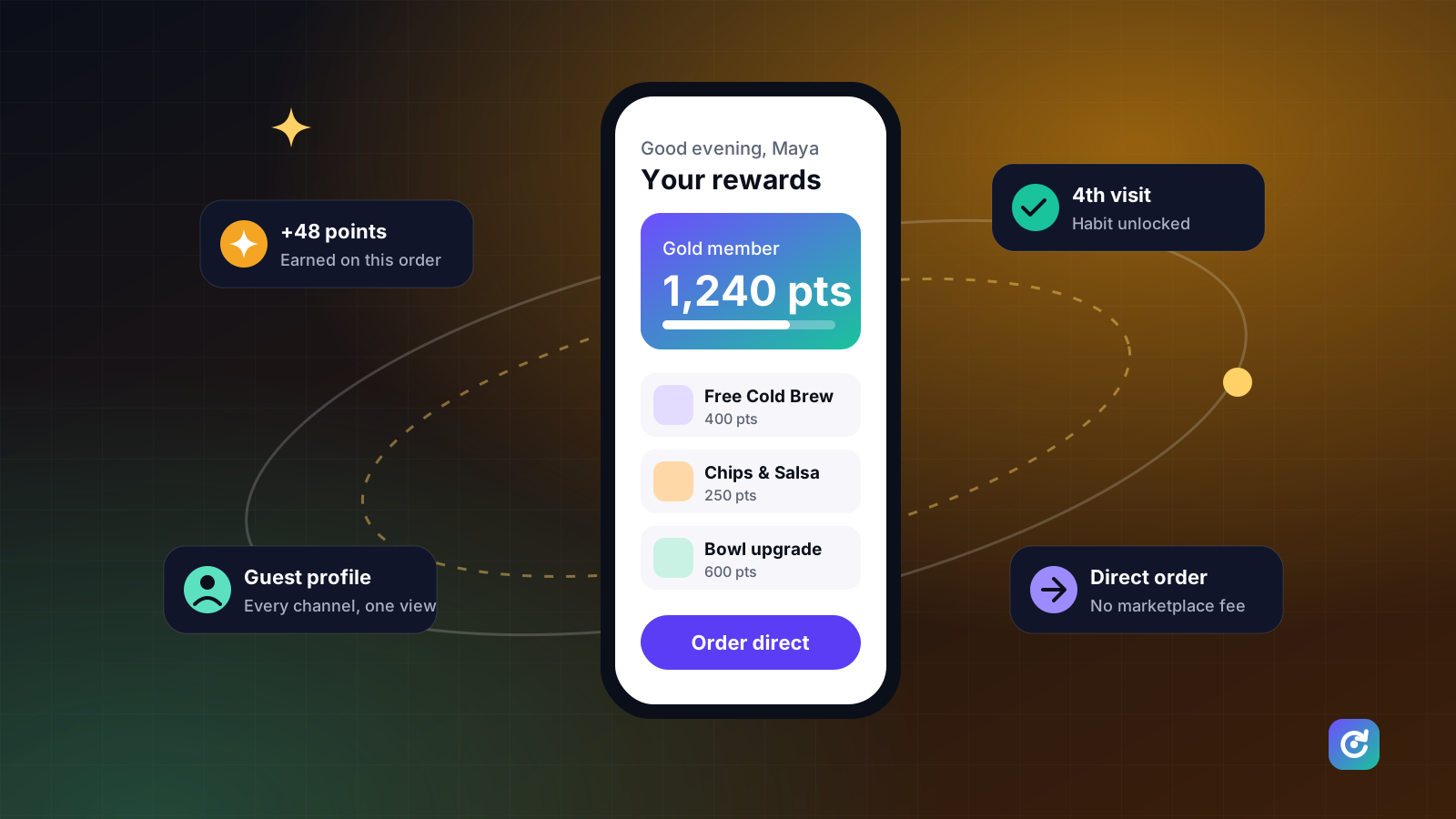
- The fourth visit is the magic number. Paytronix reports a 95% return rate after a guest’s fourth visit, the point where habits form. The priority is moving new guests to that fourth visit quickly.
- Personalization at scale. Leading brands send millions of individualized messages and offers, timed to each guest’s behavior rather than blasted to everyone.
A playbook for owning the guest relationship
- Make direct the best way to order. Fast, customizable and rewarding on web, app and kiosk.
- Keep marketplaces, but bring guests home. Use marketplaces for discovery, and give guests a reason to order direct next time.
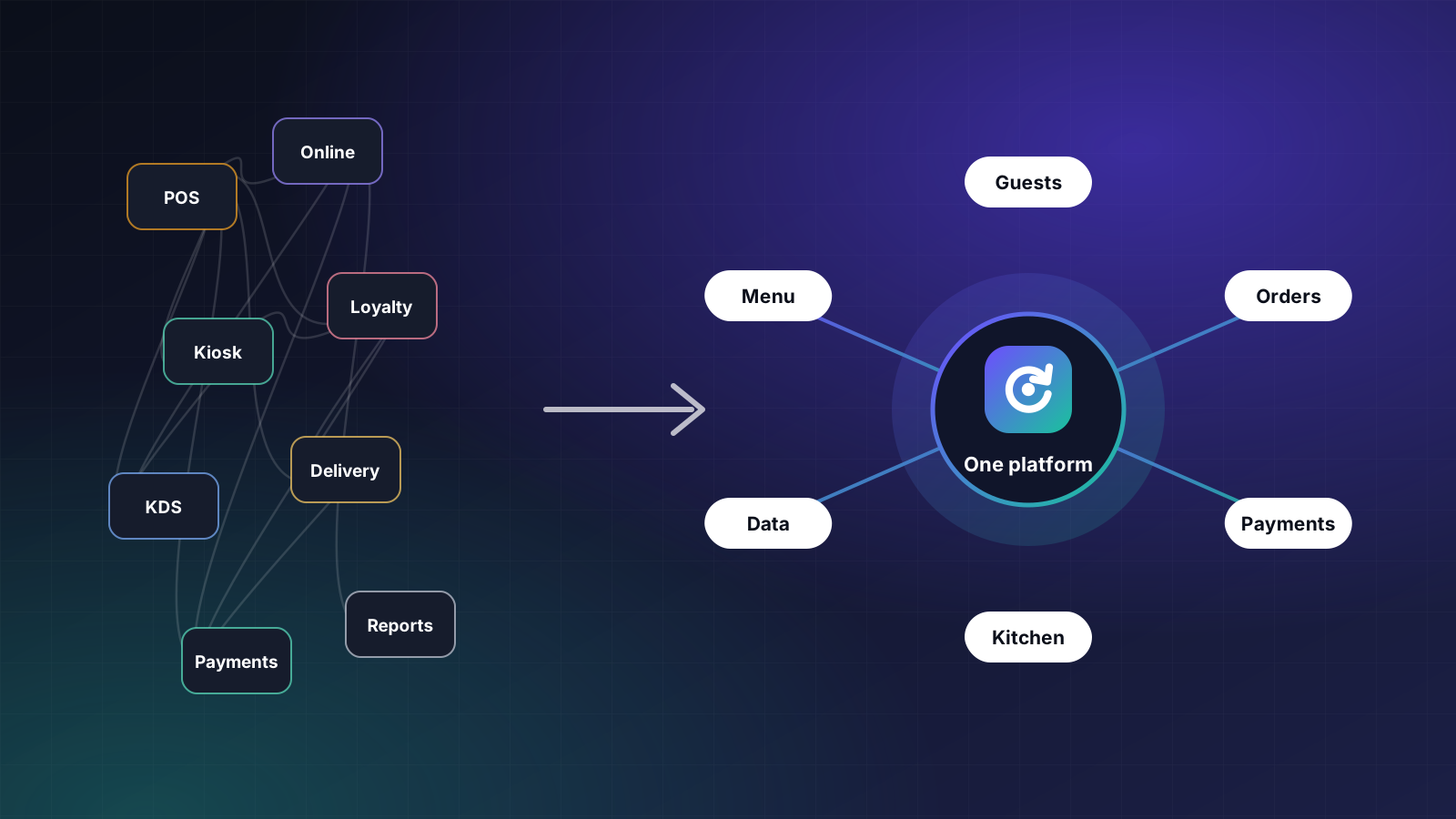
- Unify guest data. One profile across every channel, so you know a guest’s history whether they order in the drive-thru, on the app or through delivery.
- Design loyalty for frequency. Reward early visits, use tiers and experiences, and let AI choose the right offer for each guest.
- Measure what matters. Track visit frequency, time to fourth visit, lifetime value and channel mix by brand and market.
How Revyv helps
Revyv brings this playbook together on one AI-native, unified commerce restaurant OS. Revyv Storefront makes ordering direct fast and personal. Revyv Orbit builds points, tiers and rewards into every order. Revyv Pulse unifies every guest into one real-time profile with segments that power smarter marketing. And Revyv Lynk keeps marketplace orders flowing into the same kitchen and data, across every brand and market.
Sources
- Diners are becoming less loyal: Tillster, Restaurant Dive, April 2026
- Most customers prefer ordering delivery directly from restaurants, Restaurant Dive, January 2025
- First-party delivery may not have the advantages restaurants think it does, Restaurant Business
- Why points-based loyalty programs aren’t cutting it anymore, Restaurant Dive, April 2026